Choosing the Right Hose Crimper for You

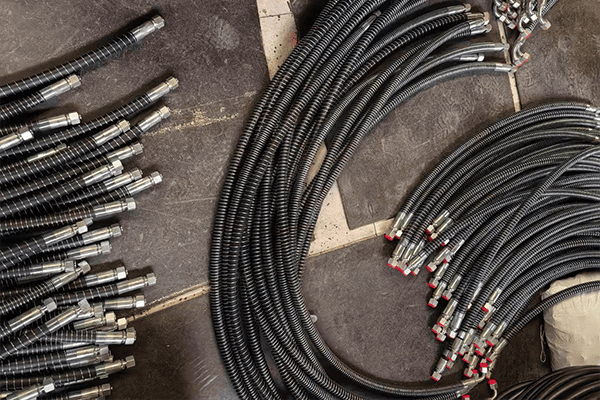
A hose crimper, at its core, is an apparatus designed to affix a fitting onto a hose, ensuring a secure and leak-proof connection. The efficacy of this tool is paramount in applications ranging from hydraulic systems to fluid transfer operations, where the precision and reliability of connections are crucial.
The Functionality of Hose Crimpers
Hose crimpers are engineered to create permanent connections that withstand high pressure and demanding conditions. The tool compresses the fitting onto the hose, creating a tight seal that prevents leaks. This functionality is critical in various industries where operational safety and efficiency are paramount. By ensuring a leak-proof connection, hose crimpers help maintain the integrity of hydraulic systems, reducing the risk of costly downtime and repairs.
Applications Across Industries
The versatility of hose crimpers makes them indispensable across multiple industries.
- Automotive — brake lines and fuel lines
- Construction — hydraulic hoses for heavy machinery
- Agriculture — irrigation systems and equipment maintenance
Each industry has specific requirements, making it crucial to select the right type of crimper for the job.
Importance of Precision in Hose Crimping
Precision is key in hose crimping to ensure the fitting is securely attached without damaging the hose. A poorly executed crimp can lead to leaks, system failures, and safety hazards. Advanced hose crimpers come equipped with precise controls and calibration features that enable operators to achieve the perfect crimp every time.
Types of Hose Crimpers
The market offers different types of hose crimping tools, each designed for specific working conditions.
Hydraulic Hose Crimper
The hydraulic hose crimper uses hydraulic force to perform high-pressure crimping tasks with high efficiency.
It can handle a wide range of hose diameters and materials, making it ideal for industrial environments.
Advantages
- High efficiency for mass production
- Stable crimping pressure
- Wide crimping range
- Compatible with different dies
Limitations
- Higher cost
- Requires power source
- Needs regular maintenance
How to Choose a Hydraulic Crimper
Consider:
- Hose size range
- Production volume
- Required crimping force
- Die compatibility
- Future expansion needs
Manual Hose Crimper
Manual crimpers are simple, portable, and easy to operate.
They are suitable for field repair and low-volume work.
Benefits
- No power needed
- Easy to carry
- Low cost
- Quick setup
Typical Applications
- Agriculture
- Mining
- Construction repair
- Mobile service trucks
How to Choose a Manual Crimper
Check:
- Hose size range
- Build quality
- Ergonomic design
- Durability
Key Considerations When Choosing a Hose Crimper

1. Working Environment
Different environments require different machines.
| Environment | Recommended Crimper |
|---|---|
| Factory production | Hydraulic crimper |
| Field repair | Portable hydraulic |
| Mobile service | Manual crimper |
| High-pressure industry | Heavy-duty hydraulic |
Consider:
- Temperature
- Dust / corrosion
- Space limitations
- Power availability
2. Hose Specifications
You must match the crimper with the hose.
Important factors:
- Hose diameter
- Hose material
- Pressure rating
- Fitting type
Hydraulic crimpers with interchangeable dies give the best flexibility.
3. Frequency of Use
| Usage level | Best choice |
|---|---|
| Occasional | Manual |
| Medium | Portable hydraulic |
| Heavy production | Industrial hydraulic |
High-volume work requires:
- Faster crimping
- Stable pressure
- Strong structure
4. Future Expansion
Choose a machine that can grow with your business.
Look for:
- Larger crimping range
- Optional dies
- Upgrade options
- Strong frame design
A good crimper should last many years.
Evaluating Hose Crimper Features
Crimping Capacity
Capacity means:
- Maximum hose size
- Minimum hose size
- Supported materials
A wide range reduces the need for multiple machines.
Die Compatibility
Interchangeable dies allow:
- Different hose sizes
- Different fittings
- Different standards
This increases flexibility and reduces cost.
Ease of Use
Good crimpers should have:
- Simple controls
- Clear scale / digital display
- Fast die change
- Ergonomic design
Easy operation reduces mistakes.
Durability
Check:
- Steel frame quality
- Cylinder strength
- Hydraulic system quality
- Surface protection
A strong machine saves repair cost.
Maintenance
Choose machines with:
- Easy lubrication points
- Available spare parts
- Clear manual
- Reliable supplier support
Low maintenance = lower total cost.
Best Practices for Hose Crimping
Regular Maintenance
Do regularly:
- Clean machine
- Check dies
- Check hydraulic oil
- Inspect fittings
- Tighten bolts
This keeps the crimper accurate.
Operator Training
Proper training improves:
- Safety
- Crimp quality
- Machine life
- Efficiency
Operators must know:
- Die selection
- Pressure setting
- Crimp diameter
- Safety rules
Follow Safety Standards
Always use certified machines.
Check:
- CE / ISO / safety approval
- Pressure rating
- Protection cover
- Emergency stop
Safety protects both workers and equipment.
Conclusion
Choosing the right hose crimper directly affects:
- Production efficiency
- Hose quality
- Safety level
- Maintenance cost
- Long-term profit
To make the right choice, evaluate:
- Working environment
- Hose specifications
- Production volume
- Machine features
- Future needs
A well-selected hose crimper is not just a tool —
it is a long-term investment for stable and profitable operation.
Future Trends
The hose crimping industry is moving toward:
- Automation
- Smart control
- Digital measurement
- Energy saving
- Higher precision
Choosing modern equipment today helps you stay competitive tomorrow.