How do you maintain hydraulic hoses
Hydraulic hoses are vital components in many industrial systems. They ensure the smooth operation of machinery by transferring hydraulic fluid. Proper maintenance of these hoses is crucial for safety and efficiency.
Neglecting hydraulic hose maintenance can lead to costly failures. Regular checks can prevent unexpected breakdowns. This guide will help you understand how to maintain hydraulic hoses effectively.
Inspecting hoses for wear and tear is essential. Look for signs of abrasion1, leaks, and cracks. Early detection of issues can save time and money.
Using the right tools is important for maintenance. Hose crimpers and cutters ensure secure fittings and clean cuts. These tools are indispensable for any maintenance routine.
Professional hydraulic hose maintenance services offer expert assessments. They can handle complex systems and provide peace of mind. Consider their expertise for optimal hose performance.
Training staff on proper hose handling is beneficial. It reduces the risk of failures and extends hose life. Educated staff can make a significant difference.
Documenting maintenance activities is a good practice. It helps in tracking and planning future maintenance. Keeping records ensures nothing is overlooked.
By following these guidelines, you can maintain hydraulic hoses effectively. This will enhance the longevity and reliability of your hydraulic systems.
Understanding Hydraulic Hoses and Their Importance
Hydraulic hoses are flexible tubes that convey hydraulic fluid2. They are crucial for systems that rely on hydraulics for power. These hoses connect various components, ensuring smooth energy transfer.
The construction of hydraulic hoses involves several layers. Typically, they have an inner tube, reinforcement layers, and an outer cover. Each part plays a role in maintaining pressure and preventing leaks3.
Hydraulic hoses are used in numerous industries. They are common in construction, agriculture, and manufacturing. Their role is vital in moving heavy equipment and machinery. Understanding the importance of hydraulic hoses helps in maintaining them effectively. Failure to do so can result in system inefficiency or downtime. Here’s why they matter:
- Safety: Properly maintained hoses reduce the risk of accidents.
- Efficiency: Well-maintained hoses ensure optimal system performance.
- Longevity: Regular maintenance extends the service life of hoses.

Having a fundamental knowledge of hydraulic hoses assists in identifying the right type for your system. This selection process is critical and must consider factors like pressure ratings and compatibility with hydraulic fluid2s. Proper selection prevents system failures and ensures consistent operation.
Common Causes of Hydraulic Hose Failure
Hydraulic hose failure often starts with small issues. These problems can quickly escalate if not addressed. Recognizing the causes can help prevent them.
Abrasion is a major culprit in hose deterioration. It occurs when hoses rub against rough surfaces or sharp edges. This wear weakens the hose, leading to leaks3 or bursts over time.
Incorrect routing is another common issue. Hoses bent or twisted excessively can kink, reducing their effectiveness. Improper installation can result in unnecessary strain and eventual failure.
Contamination with dirt or debris is also problematic. Foreign materials can enter the system through compromised hoses. This contamination4 affects the entire hydraulic system, potentially causing severe damage.
Key causes of hydraulic hose failure include:
- Abrasion
- Incorrect routing
- Contamination
- Excessive pressure
- Improper installation
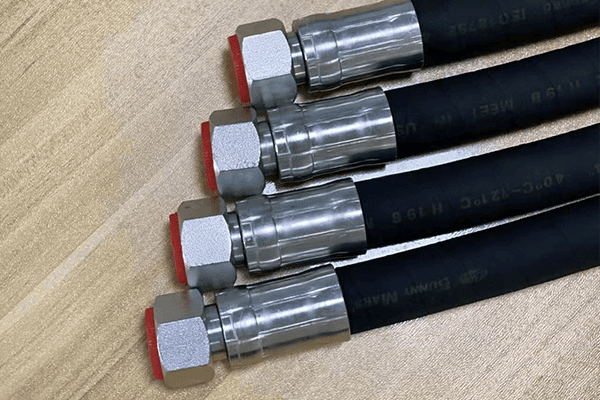
High-pressure conditions exceed a hose's design limits. Over time, this pressure can cause a rupture. Routine checks ensure pressure levels remain within safe boundaries, reducing failure risk.
Understanding these causes aids in preventing downtime and maintaining system efficiency. Regular inspections and maintenance can help mitigate these common failure points.
Essential Tools for Hydraulic Hose Maintenance
Maintaining hydraulic hoses efficiently requires the right tools. These tools make inspections and repairs quicker and more precise. Having the correct equipment ensures a reliable maintenance routine.
A hose crimping machine5 is critical for proper hose assembly. It helps secure fittings to hoses, preventing leaks3. Portable hose crimpers are beneficial for on-site repairs, saving time and resources.
A hose cutter is essential for clean and precise cuts. Clean cuts prevent issues with fittings and reduce wear. A quality hose cutter or hose cutting machine ensures excellent results.
Diagnostic tools are also valuable. They help assess hose conditions and potential failure points. Pressure gauges and thermal sensors6 are two examples. Keeping these tools in your kit boosts maintenance effectiveness.
Key maintenance tools include:
- Hose crimping machine
- Portable hose crimper
- Hose cutter - Diagnostic tools
by Media Digital (https://unsplash.com/@mediadigital2022)
Lastly, investing in professional tools pays off long-term. Quality equipment contributes to reduced downtime and prolongs hose life. It's a worthwhile investment for any hydraulic system operator.
by Kenny Eliason (https://unsplash.com/@heyquilia)
Step-by-Step Guide to Inspecting Hydraulic Hoses
Regular inspection of hydraulic hoses is vital for system health. Inspections help identify issues early, preventing costly failures. Follow this step-by-step guide for effective hose inspections.
Firstly, check for visible signs of damage. Look for abrasion1s, cracks7, or leaks3. These are often indicators of wear and potential failure points. Be thorough, examining each section carefully.
Next, assess the fittings and connections. Ensure they are secure and free from leaks3. Loose fittings can cause pressure loss and inefficiency. Tighten or replace them if needed to maintain system integrity.
Take note of the hose routing and positioning. Ensure hoses are not kinked or excessively bent. Proper routing prevents stress on hoses, extending their lifespan. Adjust any incorrect routing you find.
Conduct a pressure test8 to verify that hoses can handle operating pressures. Use a suitable diagnostic tool to check this. Compare readings against manufacturer specifications for assurance.
For a detailed inspection routine, consider these steps:
- Examine visible hose surfaces
- Inspect fittings and connections9
- Verify hose routing

Conduct further checks by:
- Testing hose pressure
- Listening for unusual noises
- Comparing test results with standards

Lastly, document your findings after each inspection. Keep records for future reference and maintenance planning. Thorough documentation helps track hose conditions over time. Regular, meticulous inspections are key to maintaining hydraulic systems.
Best Practices for Hydraulic Hose Installation
Proper hydraulic hose installation is critical for optimal system performance. It prevents premature hose failure and ensures safety.
Begin by selecting the right hose for the application. Consider the specific pressure, temperature, and fluid compatibility. Choose hoses that meet or exceed these requirements to avoid risks.
Next, plan the hose routing carefully. Avoid sharp bends, twists, and clamping hoses too tightly. Ensure they have some flexibility to accommodate movements and vibrations.
Secure the hoses using appropriate clamps and brackets. This prevents movement and contact with abrasive surfaces. Ensure supports are in place to reduce wear and extend hose life.
Consider the following installation tips:
- Verify hose length to prevent tension
- Avoid routing through high-heat areas
- Use protective sleeves10 against abrasion1
by Tatiana Zhukova (https://unsplash.com/@tatiana19)
Ensure that all connections and fittings are properly attached. Use the correct tools to crimp or secure these fittings. This reduces the possibility of leaks3 or disconnections under pressure.
Lastly, conduct a system check after installation. Test for leaks3 and verify system pressure11. A cautious approach during installation leads to reliable system operation. Proper installation plays a pivotal role in maintaining hydraulic systems efficiently.
Cleaning and Storing Hydraulic Hoses
Regular cleaning of hydraulic hoses is crucial to prevent contaminants from entering the system. Dirt and debris can lead to system inefficiencies and potential damage. Clean hoses with appropriate solutions that won’t degrade the hose material.
When storing hoses, environmental conditions play a critical role. Always store hoses in a cool, dry place away from direct sunlight. High temperatures and UV exposure can degrade the hose material and compromise its integrity over time.
Follow these best practices for effective cleaning and storage:
- Use lint-free cloths when wiping hoses
- Flush hoses regularly to remove internal debris
- Store in a coil without tight bends or kinks

Proper storage can significantly extend the life of your hoses. Ensure that the storage area is free from sharp objects that can cause abrasion1. Consider labeling hoses for easy identification and quicker access during replacements or installations.
When and How to Replace Hydraulic Hoses
Knowing when to replace hydraulic hoses can prevent breakdowns. Regular checks help spot early signs of wear. Look for any leaks3, abrasion1s, or cracks7 on the hose surface.
Immediate replacement is necessary if you spot significant damage. Delaying replacements risks system failure and operational downtime. Regular maintenance minimizes unexpected repairs.
To replace a hydraulic hose, it's important to choose the correct type and length. Ensure new hoses match system specifications for optimal performance.Compatibility with the hydraulic fluid2 is also crucial to avoid material degradation.
Here's a quick guide on hose replacement:
- Identify the damaged section
- Release system pressure11 before removal
- Install new hose with compatible fittings
by Wolfgang Rottmann (https://unsplash.com/@quadratmedia)
Proper disposal of old hoses is important. Never discard them irresponsibly, as they may harm the environment. Consider recycling options and follow local disposal guidelines to manage waste responsibly. By maintaining a disciplined replacement routine, hydraulic systems can operate smoothly and safely.
The Role of Hose Crimpers and Cutting Machines
Hose crimpers are vital tools in hydraulic hose maintenance. They create firm and secure fittings, essential for pressure control. Properly crimped hoses minimize the risk of leaks3.
Crimping machines can vary from portable options to large-scale industrial models. A portable hose crimper is ideal for on-site repairs, enhancing flexibility. Choosing the right size and type ensures efficient connections and reliable performance.
Cutting machines like hose cutters12 are equally important. They ensure clean, precise cuts that prevent future issues. Neat cuts are crucial for avoiding frays and ensuring proper sealing.
Key tools for hose maintenance include:
- Hose crimpers for secure fittings
- Hose cutting machines for clean ends
- Portable crimpers for repairs on the go


Investing in quality equipment pays off long term. It reduces maintenance costs by preventing frequent breakdowns. Understanding these tools' roles boosts operational efficiency and safety.
Benefits of Professional Hydraulic Hose Maintenance Services
Engaging professional hydraulic hose maintenance services offers many advantages. Experts provide thorough inspections that can detect issues early. This proactive approach prevents costly breakdowns and system failures.
Professionals use specialized tools and techniques. Their expertise ensures hoses are handled and installed correctly. This precision extends the lifespan of your hoses and optimizes system performance.
Additionally, professional services offer convenience and reliability. They can efficiently manage complex systems that demand detailed attention. Leveraging their expertise saves time and often reduces repair costs.
Advantages of professional maintenance include:
- Expertise in identifying potential issues
- Access to advanced tools and equipmen
t - Reduction in downtime and operational costs

For businesses, these services are a strategic investment. They provide peace of mind and ensure your hydraulic systems operate safely. Investing in professional maintenance is a vital step towards long-term efficiency and reliability.
Hose Maintenance Tips for Longevity and Safety
Maintaining hydraulic hoses ensures both safety and efficiency. Simple practices can greatly extend hose life and prevent mishaps. Remember, diligent care reduces the risk of unexpected failures.
Firstly, conduct regular inspections. Early detection of wear and tear can avert costly repairs. Focus on signs of abrasion, leaks, or cracks during these checks.
Ensure proper pressure levels within your systems. Overpressure or underpressure can lead to significant damage. Use gauges and monitoring equipment to keep pressures optimal.
Consider implementing these maintenance actions:
- Schedule routine checks
- Monitor pressure levels regularly
- Inspect for visible wear
Installation practices also play a role. Avoid kinks and sharp bends that can cause stress on the hoses. Ensure hoses fit and are compatible with hydraulic systems in use.
Additionally, employ protective measures:
- Use hose sleeves to mitigate abrasion
- Opt for the right hose type for specific tasks
- Store hoses properly when not in use

These tips support both longevity and safety. By ensuring your hydraulic hoses are well-maintained, you enhance system efficiency and safeguard your operations. Prioritize regular checks and proper practices to avoid disruptions.
Frequently Asked Questions About Hydraulic Hose Maintenance
What is the ideal frequency for inspecting hydraulic hoses?
Regular inspection is crucial to catching potential issues early. Most systems benefit from monthly checks. However, for high-use equipment, consider weekly or bi-weekly inspections.
How can I identify if a hose needs replacement?
Look for visible damage, leaks, and reduced performance. If there are cracks or significant wear, replacement is advised. Sudden drops in system efficiency are also a strong indicator.
What tools are essential for hose maintenance?
Having the right tools is vital. The basics include:
- Hose cutters
- Crimping machines
- Pressure gauges
These tools facilitate proper maintenance, ensuring your hydraulic hoses stay in prime condition. Always prioritize quality tools for best results.
Conclusion: Building a Proactive Maintenance Plan
Building a proactive maintenance plan is crucial for ensuring the longevity and efficiency of hydraulic systems. By incorporating routine inspections, you can identify potential issues early. This minimizes the risk of costly downtime and severe equipment damage.
Educate your team about the importance of regular maintenance practices. Use training sessions to improve their skills in identifying and managing hose-related problems. This knowledge empowers your staff and enhances operational safety.
Consider the cost-benefit of using professional hydraulic hose maintenance services. They can provide detailed assessments and expert guidance for your maintenance plan. By balancing in-house efforts with professional assistance, you can create a robust strategy that ensures the safe and efficient operation of your hydraulic systems for the long term.
-
Learning about abrasion prevention techniques can significantly extend hose life and reduce unexpected failures in your hydraulic systems. ↩ ↩ ↩ ↩ ↩
-
Understanding hydraulic fluid types ensures compatibility with your hoses and prevents material degradation, leading to longer system life. ↩ ↩ ↩
-
Identifying leak sources early helps prevent system inefficiency, fluid loss, and potential safety hazards in industrial operations. ↩ ↩ ↩ ↩ ↩ ↩ ↩ ↩ ↩
-
Preventing contamination protects your entire hydraulic system from damage, reducing maintenance costs and improving reliability. ↩
-
Understanding crimping machine operation helps achieve consistent, reliable connections that withstand industrial pressures. ↩
-
Temperature monitoring can detect overheating issues early, preventing hose degradation and potential system failures. ↩
-
Early crack detection prevents catastrophic hose bursts that could cause downtime and safety incidents in your machinery. ↩ ↩
-
Regular pressure testing verifies hose integrity and helps identify weaknesses before they lead to operational failures. ↩
-
Choosing correct fittings ensures leak-free connections that withstand pressure and vibration in demanding applications. ↩
-
Protective sleeves shield hoses from abrasion and environmental damage, significantly extending their service life. ↩
-
Proper pressure management prevents stress on hoses and components, reducing wear and extending the life of your entire system. ↩ ↩
-
Professional cutters create clean, precise cuts that prevent fitting issues and extend the service life of your hydraulic connections. ↩