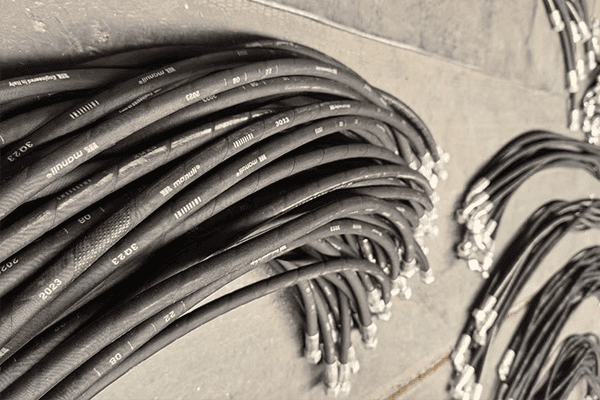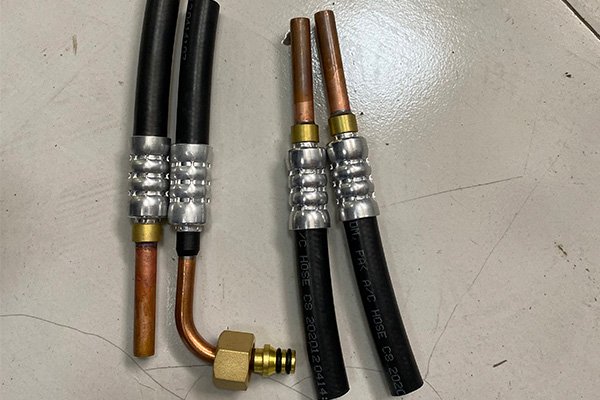
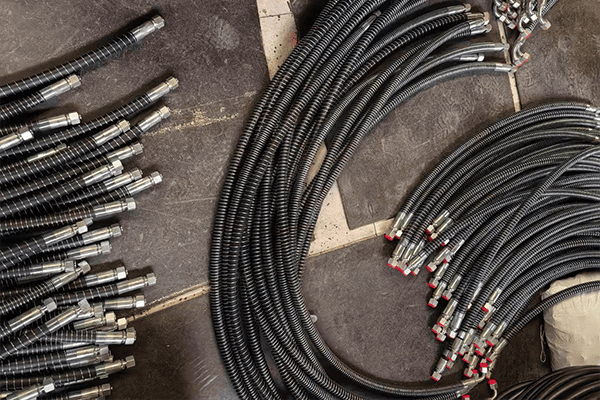
Many hydraulic hose failures happen because of wrong crimping. Even a small mistake can cause leaks, bursts, or fitting pull-off under pressure.
Crimping a hydraulic hose the right way requires correct tools, proper setup, accurate measurement, and careful inspection after crimping.
If I follow the correct crimping steps every time, I can greatly reduce hose failure and keep the hydraulic system safe.
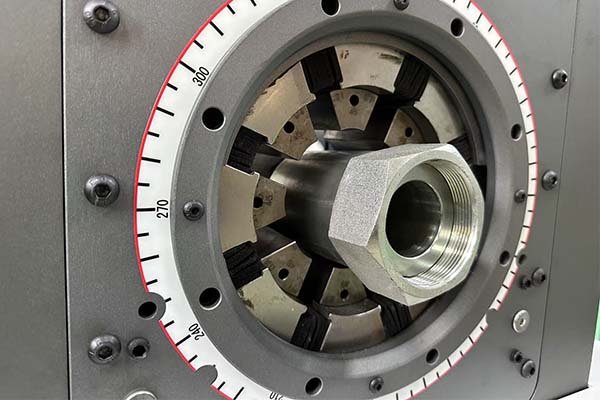
How to properly crimp a hydraulic hose fitting?
Proper crimping starts with correct preparation, correct machine setup, and correct measurement after the crimp.
A proper crimp means the fitting is fully seated, the die size is correct, and the final diameter matches the crimp specification.

When I crimp a hydraulic hose, I always begin by cutting the hose straight. A crooked cut causes uneven compression1 and weak sealing. After cutting, I clean the hose end to remove rubber dust and steel particles2. Dirt inside the fitting can cause leaks later.
Next, I check the crimp chart. Every hose and fitting has a recommended crimp diameter. I select the correct die set according to that chart. Using the wrong die is one of the most common mistakes, even in experienced workshops.
Before crimping, I make sure the fitting is inserted completely and sits straight3. Then I run the crimping machine through a full cycle without stopping. After crimping, I measure the outside diameter with a caliper and compare it to the specification.
Correct Crimping Procedure
| Step | Action | Purpose |
|---|---|---|
| Cut hose | Square and clean | Ensure even crimp |
| Select die | Follow crimp chart4 | Correct compression |
| Insert fitting | Fully seated | Prevent leaks |
| Crimp fully | One full cycle | Uniform pressure |
| Measure OD | Use caliper | Confirm tolerance |
Following these steps gives a strong and reliable crimp every time.
What are the most common crimping mistakes?
Most crimping problems come from small errors that are easy to ignore but dangerous under pressure.
Common mistakes include wrong die selection, incorrect diameter, poor alignment, and skipping inspection.
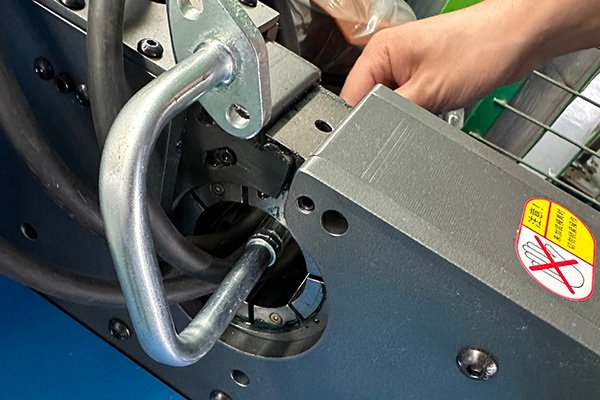
I often see operators rely on experience instead of data. They choose a die that “looks right” instead of checking the chart. This leads to under-crimping or over-crimping. Another mistake is not checking the final diameter. Even a small difference can reduce pressure capacity.
Misalignment is another common issue. If the fitting is not straight, the pressure is uneven. This creates weak points that fail early. Dirty hoses also cause problems. Rubber dust or steel wire fragments prevent proper sealing.
Skipping inspection is probably the biggest mistake. A hose may look fine, but measurement often shows it is out of tolerance.
Common Crimping Mistakes
| Mistake | Cause | Result |
|---|---|---|
| Wrong die | No chart check | Weak crimp |
| Wrong diameter | No measurement | Leak or burst |
| Misalignment | Poor insertion | Early failure |
| Dirty hose | No cleaning | Bad seal |
Avoiding these mistakes improves safety and consistency.
Can you over crimp a hydraulic hose?
Yes, over-crimping is a serious problem and can damage the hose internally.
Over-crimping happens when the fitting is compressed too much, reducing strength and restricting flow.
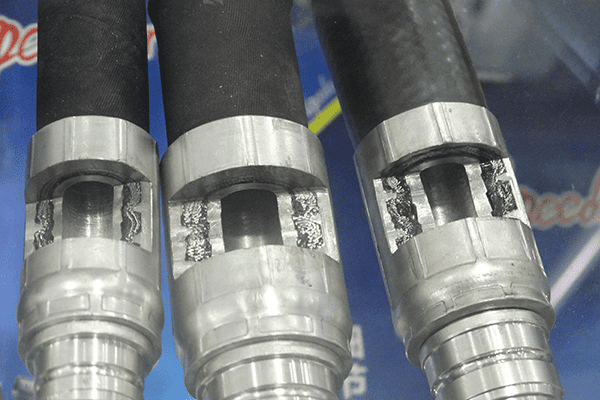
When I over-crimp a hose, the inner tube can collapse. This reduces the flow area and increases pressure inside the hose. Over time, this leads to burst failure. Over-crimping can also damage the steel reinforcement. The hose may pass inspection but fail during operation.
Another problem is fitting deformation. Too much pressure changes the shape of the fitting and weakens the seal. This often causes leaks after some time.
The only safe way to avoid over-crimping is to follow the crimp chart4 and measure every hose.
Problems Caused by Over-Crimping
| Problem | Effect |
|---|---|
| Inner tube damage | Flow restriction |
| Reinforcement break | Burst risk |
| Fitting deformation | Leakage |
| Reduced life | Early failure |
Correct diameter control prevents most over-crimp problems.
Which crimping tool is best for beginners?
For beginners, the best crimping tool is one that is simple, stable, and easy to adjust.
A hydraulic hose crimping machine with clear scale settings and standard dies is best for beginners.
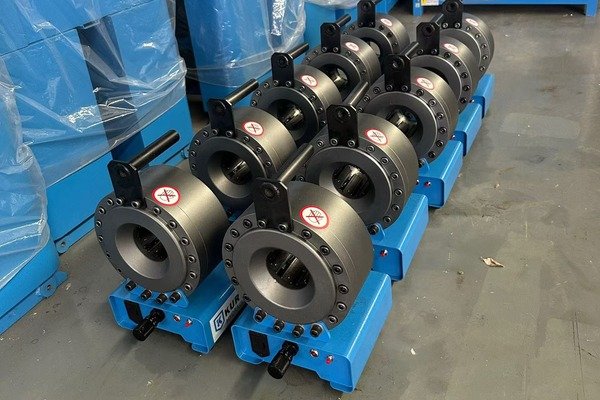
When I train new operators, I prefer using a bench-type hydraulic crimper5. It is more stable than handheld tools and easier to control. Machines with digital or dial indicators help beginners set the correct diameter without guessing.
Portable crimpers are useful, but they require more experience. Beginners often apply uneven pressure with manual tools. That creates inconsistent crimps.
Another important point is die quality. Good dies produce repeatable results. Cheap dies wear quickly and cause tolerance errors.
Crimping Tool Types for Beginners
| Tool Type | Difficulty | Recommendation |
|---|---|---|
| Manual crimper | Medium | For small jobs |
| Portable hydraulic | Medium | For field work |
| Bench crimper | Easy | Best for beginners |
| Industrial crimper | Easy | Best for factory use |
A stable machine makes learning much easier.
Should you twist before crimping?
No, the hose should not be twisted before crimping.
Twisting the hose before crimping creates internal stress that can cause early failure.
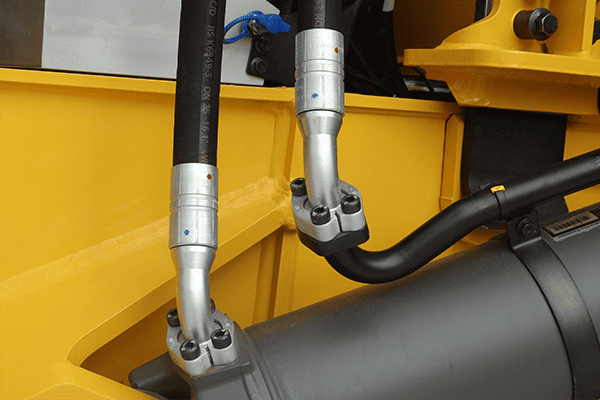
When I install a fitting, I always keep the hose straight. Twisting changes the position of the reinforcement layers. After crimping, the hose tries to return to its natural shape. This creates constant stress at the crimp area.
Twisted hoses often fail near the fitting, not in the middle. This makes many people think the crimp is bad, but the real problem is twisting during assembly.
If I need a certain angle, I use angled fittings instead of twisting the hose.
Effects of Twisting Before Crimping
| Issue | Result |
|---|---|
| Internal stress | Short hose life |
| Uneven pressure | Weak crimp |
| Early fatigue | Crack near fitting |
Keeping the hose straight is a basic rule in hose assembly.
Should beginners full crimp?
Yes, beginners should always use full crimp settings according to the manufacturer specification.
Full crimp according to the crimp chart4 ensures proper holding force and sealing.
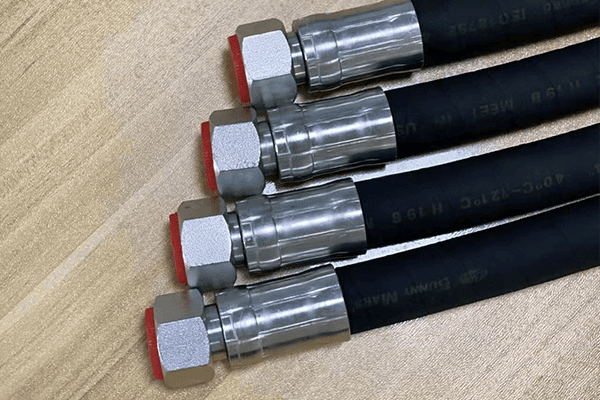
Some beginners try to use lighter crimping because they are afraid of over-crimping. This often causes under-crimping. Under-crimped fittings may hold at low pressure but fail suddenly at high pressure.
Full crimp does not mean maximum force. It means the exact diameter specified in the chart. When I train new operators, I tell them to trust the data, not their feeling.
As long as the die, hose, and fitting match the chart, full crimp is the safest choice.
Full Crimp vs Under Crimp
| Type | Result |
|---|---|
| Full crimp | Safe and strong |
| Under crimp | Leak risk |
| Over crimp | Burst risk |
Beginners should follow the chart strictly until they gain experience.
Conclusion
To crimp a hydraulic hose the right way, I must use the correct die, follow the crimp chart4, avoid twisting, measure every crimp, and inspect carefully. Good habits prevent leaks, bursts, and costly failures.
-
Learn how proper cutting techniques prevent leaks and ensure uniform pressure distribution in hydraulic connections. ↩
-
Proper cleaning techniques prevent contamination that can cause leaks and system damage over time. ↩
-
Proper fitting insertion prevents misalignment issues that lead to early hose failure and leaks. ↩
-
Mastering crimp chart usage prevents the most common and dangerous crimping mistakes in hydraulic systems. ↩ ↩ ↩ ↩
-
Choosing the right equipment makes learning easier and produces more consistent, reliable crimps. ↩