
Many buyers struggle to choose the right crimping equipment. High costs and complex machines make the decision harder than expected.
A manual hydraulic hose crimper offers a cost-effective and simple solution1 for low-volume or field operations2.
Before investing, I want to explain when a manual crimper works well and when it may limit your growth.
What is a manual hydraulic hose crimper?
A manual hydraulic hose crimper is a compact tool that uses hydraulic force, operated by hand, to crimp hose fittings securely.
It is a portable and affordable crimping solution designed for small-scale or on-site hose assembly tasks.
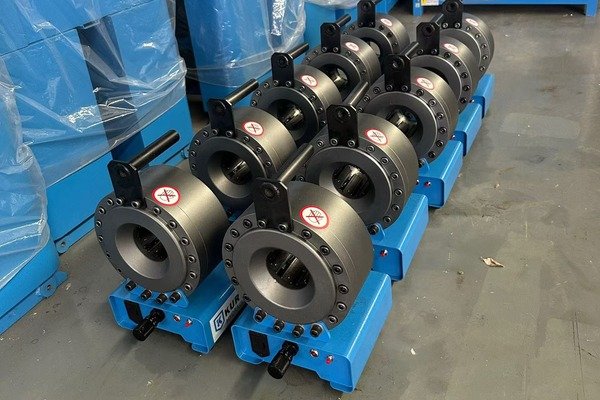
A manual hydraulic hose crimper works by applying force through a hand pump system. Unlike electric or fully automatic machines, it does not require power supply. This makes it ideal for field service3, repair trucks, and remote job sites.
Key Features of Manual Crimpers
| Feature | Description |
|---|---|
| Portability | Easy to carry and use on-site |
| Power source | Hand-operated hydraulic pump |
| Cost | Lower than automatic machines |
| Application | Small batch or repair work |
When I Prefer Manual Crimpers
I usually recommend manual crimpers for maintenance teams4 or small workshops. If I only need to make a few hoses per day, a manual machine is enough. It saves cost and still delivers acceptable results.
However, I also notice limitations. The consistency depends on the operator. If the operator is inexperienced, the crimp quality may vary. Also, productivity is low compared to automatic machines.
Advantages vs Limitations
| Aspect | Advantage | Limitation |
|---|---|---|
| Cost | Low investment | Limited capacity |
| Operation | Simple | Operator dependent |
| Mobility | Excellent | Not ideal for factory use |
From my experience, manual crimpers are a good starting point, but not a long-term solution for growing businesses.
How does a manual hydraulic crimper work?
Understanding how it works helps avoid many crimping mistakes.
A manual crimper uses a hand pump to generate hydraulic pressure5 that compresses dies around the hose fitting.
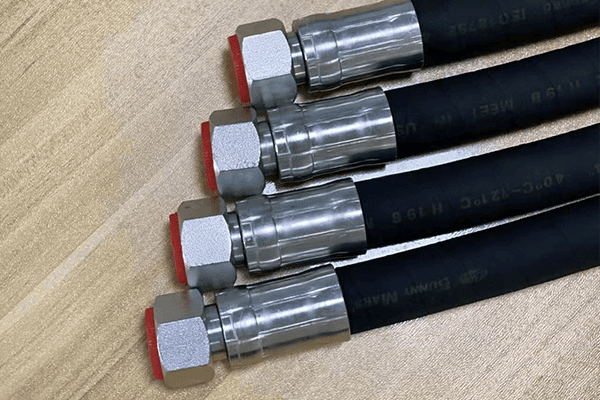
The working process is simple but requires attention. First, I insert the hose and fitting into the correct die set. Then, I operate the hand pump to generate pressure. The dies close gradually and compress the fitting onto the hose.
Basic Working Steps
| Step | Action |
|---|---|
| Setup | Choose correct die |
| Insert | Place hose and fitting |
| Pump | Apply hydraulic pressure5 |
| Crimp | Complete full compression |
| Check | Measure crimp diameter |
Critical Control Points
I always focus on three things:
1. Pressure Control
Manual crimpers do not always have precise gauges. This means I must rely on experience or external measurement.
2. Die Selection
Wrong dies lead to wrong crimps. This is the most common mistake I see.
3. Final Measurement
I always use a caliper to confirm the crimp diameter6. Without this step, the result is uncertain.
Common Working Issues
| Issue | Cause | Result |
|---|---|---|
| Uneven crimp | Manual force variation | Leakage |
| Under-crimp | Low pressure | Hose blow-off |
| Over-crimp | Too much pumping | Hose damage |
Manual machines work well, but they require discipline and consistency.
When should I choose a manual crimper?
Not every business needs an automatic crimping machine.
Manual crimpers are best for low volume, mobile service, and budget-sensitive buyers.
I usually ask myself a few simple questions before choosing:
Key Decision Factors
| Factor | Manual Crimper מתאים? |
|---|---|
| Daily volume < 20 hoses | Yes |
| Field repair needed | Yes |
| Limited budget | Yes |
| High precision required | No |
| Mass production | No |
My Real Experience
When I first started sourcing equipment, I chose a manual crimper to test the market. It helped me reduce initial investment and understand customer needs.
But as orders increased, I quickly faced problems:
- Slow production
- Operator fatigue
- Inconsistent quality
At that point, I upgraded to a hydraulic automatic crimper.
Growth Path Suggestion
| Stage | Recommended Machine |
|---|---|
| Startup | Manual crimper |
| Growing | Semi-automatic |
| Scale production | Fully automatic |
Manual crimpers are a starting point, not the final destination.
What are the most common mistakes with manual crimpers?
Manual tools increase the chance of human error.
The most common mistakes include incorrect pressure, wrong dies, and skipping measurement.

From my observation, these mistakes happen frequently:
Top Mistakes
1. Guessing Instead of Measuring
Many users skip caliper measurement. This leads to inconsistent crimps.
2. Over-pumping
Operators often think “more pressure is safer.” This causes over-crimping.
3. Wrong Die Use
Mixing dies from different standards leads to failure.
4. Poor Hose Preparation
Crooked cuts and dirty hose ends affect sealing.
Mistake Impact Table
| Mistake | Immediate Effect | Long-term Risk |
|---|---|---|
| No measurement | Unknown quality | System failure |
| Over-crimp | Deformation | Burst |
| Under-crimp | Loose fitting | Blow-off |
| Dirty hose | Poor seal | Leakage |
My Advice
I always tell my team: manual machine does not mean casual work. In fact, it requires more strict control than automatic machines.
How to improve crimping quality with a manual machine?
Even with simple equipment, I can still achieve reliable results.
Consistency, measurement, and proper training are the keys to improving manual crimping quality.

Practical Improvement Methods
Standardize Process
I create a fixed workflow:
- Cut
- Clean
- Insert
- Crimp
- Measure
Use Crimp Charts
Never rely on memory. Always follow manufacturer data.
Train Operators
Skill matters more with manual machines.
Inspect Regularly
Every hose should be checked, not random samples.
Quality Control Table
| Method | Benefit |
|---|---|
| Standard process | Repeatability |
| Measurement tools | Accuracy |
| Training | Reduce human error |
| Inspection | Prevent failures |
With these steps, even a manual crimper can produce stable and safe hose assemblies.
Conclusion
A manual hydraulic hose crimper is a cost-effective and portable solution for small-scale work, but it requires strict operation control7 and is not suitable for high-volume production.
-
Discover how a manual crimper saves you money while still delivering reliable results for low-volume work. ↩
-
Learn why field service teams and small workshops prefer manual crimpers for on-the-go repairs. ↩
-
See why field service technicians choose manual crimpers for mobile hose repairs. ↩
-
Explore how maintenance teams benefit from the simplicity and low cost of manual crimpers. ↩
-
Get a clear explanation of how hydraulic pressure compresses dies for secure hose fittings. ↩ ↩
-
Discover why caliper measurement is the most critical step for ensuring safe, leak-free crimps. ↩
-
Find out why manual machines demand more discipline than automatic ones for safe results. ↩