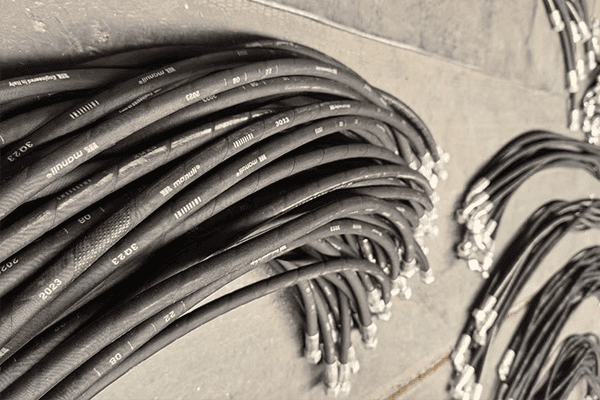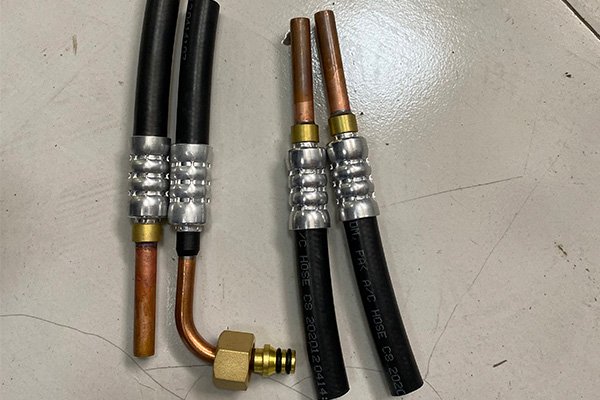
Have you ever tried slicing through a garden hose with dull scissors? It’s annoying, but the result is usually just a messy drip. Now imagine that same hose is armored with layers of high-strength steel wire. This is the reality of industrial lines, which are complex structures of rubber and metal designed to withstand extreme pressure.
Attempting cutting wire reinforced rubber[^1] with a standard hacksaw creates friction, heat, and dangerous fraying.
In practice, a clean edge is critical because it determines how well the metal fitting attaches to the hose. If the cut is jagged, the fitting won't seat correctly, leading to leaks or blowouts under pressure. A dedicated hose cutting machine or hydraulic hose cutter[^2] solves this by slicing cleanly through the steel reinforcement without crushing the hose.

Abrasive vs. Scalloped Blades: The Bread Knife Secret to Clean Cuts
A standard abrasive wheel cuts by friction, which generates heat.
This works well for steel wire, but it can damage the rubber liner.
Too much heat can cause:
- Rubber melting
- Smoke
- Blocked inner tube
- Contamination inside the hose
A scalloped blade works differently.
It slices instead of grinding, similar to a bread knife.
This means:
- Less heat
- Cleaner edge
- No melting
- Better sealing later
Choose the right blade
- Abrasive wheels – for heavy steel reinforced hoses
- Scalloped blades – for rubber and thermoplastic hoses
- Diamond coated blades – for high-volume industrial cutting
Matching the blade to the material gives the best result.
From Hand Shears to Automatic Saws
Your workload decides your machine.
For small jobs, manual tools work.
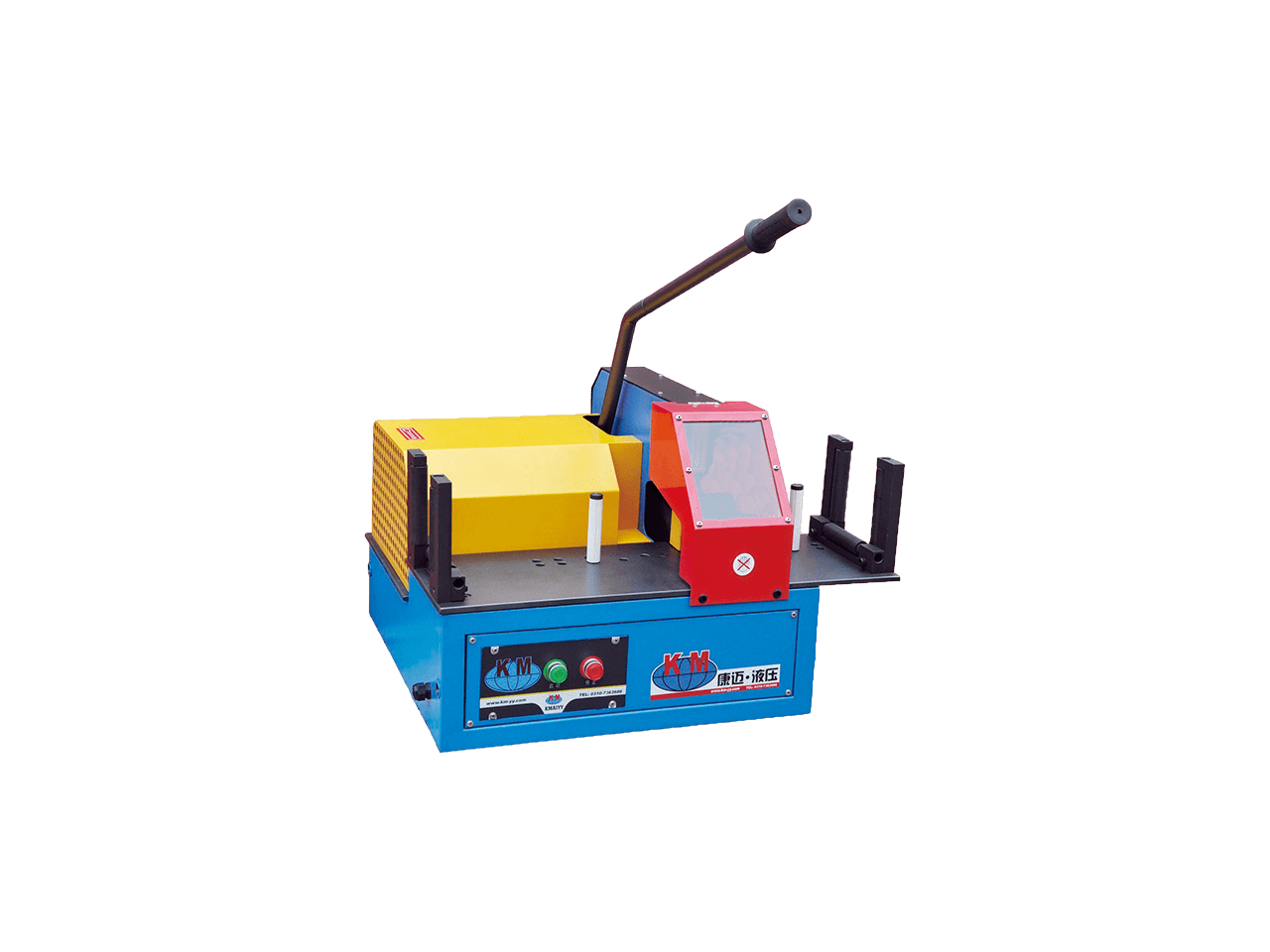
For reinforced hydraulic hose, powered machines are required.
Always check OD (Outside Diameter) capacity.
OD means the total hose width including rubber cover.
Matching the machine to the user
| User | Recommended tool |
|---|---|
| Hobbyist | Manual shears |
| Small shop | Benchtop cutter |
| Repair truck | Portable cutter |
| Production line | Automatic cutter |
Automatic machines often include:
- Length measuring system
- Auto feeding
- Repeat cutting
- High speed motor
These features save time and reduce waste.
The “Bend and Cut” Method for Square Ends
Pushing the hose straight into the blade creates heat and drag.
Professional operators use the bend and cut method.
Steps:
- Slightly bend the hose backward
- Let the blade enter slowly
- Keep the cut open
- Avoid pinching
This method:
- Reduces friction
- Prevents smoke
- Keeps blade cool
- Gives square cut
Why square cuts matter
If the cut is not square:
- Fitting will not sit flat
- Crimp will be uneven
- Pressure will leak
- Hose may burst
After cutting, always clean the hose.
Cleaning after cutting
Use:
- Foam projectile
- Compressed air
- Cleaning gun
This removes:
- Rubber dust
- Steel particles
- Debris
Clean hose = longer pump life.

Shop Safety: Smoke Extraction and Blade Maintenance
Cutting reinforced hose creates smoke.
Smoke contains rubber particles and oil residue.
Without ventilation you may get:
- Lung damage
- Dirty machines
- Bad smell
- Unsafe shop
Use smoke extraction system
Recommended for:
- Hydraulic hose shops
- Production lines
- Repair centers
If smoke stays in the air → ventilation is not enough.
Blade Maintenance Checklist
Cutting steel wire damages blades.
Check every month:
- Inspect for cracks
- Clean blade surface
- Check sharpness
- Replace worn blade
A damaged blade may break during cutting.
Broken blade = serious danger.
Your Blueprint for High-Pressure Success
A proper hose cutter changes everything.
Benefits:
- Clean cuts
- Better crimping
- No leaks
- Longer hose life
- Safer work
If you cut reinforced hose often, use:
- Bench cutter for small shop
- Heavy cutter for factory
- Automatic cutter for production
Precision at cutting stage ensures strong connection later.
A good cut today prevents failure tomorrow.
[^1]: Learn specialized techniques and equipment needed to safely cut through steel-reinforced rubber hoses without damaging the material or creating safety hazards.
[^2]: Find out what makes hydraulic hose cutters essential for industrial applications and how to choose the right one for your specific needs.