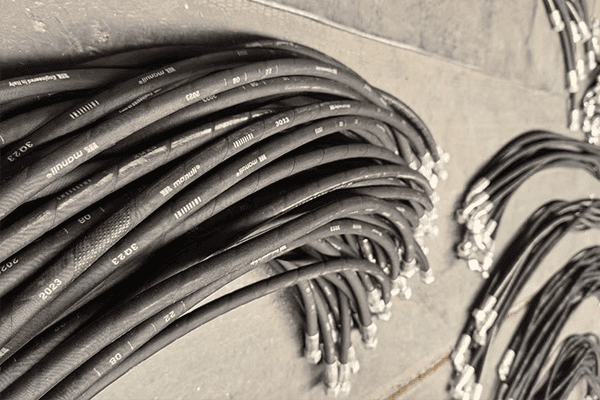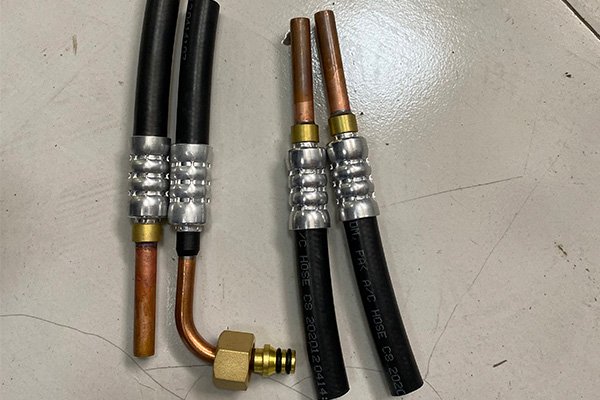
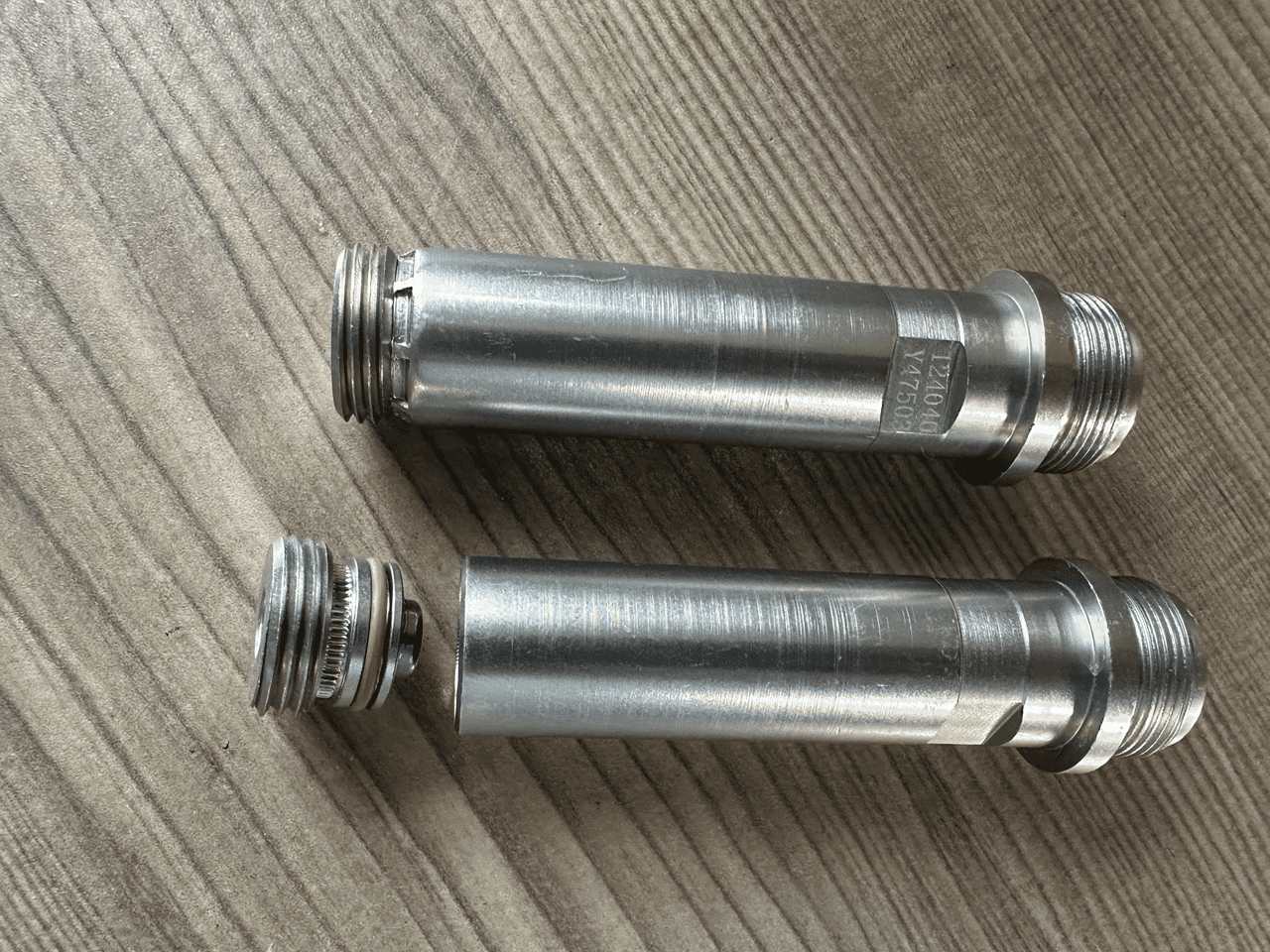
Look at the frame of your bicycle or the underside of your kitchen sink. You will likely see nuts and bolts holding everything together, but not all of these connections work the same way. While a standard wrench simply tightens a fastener until it feels secure, a nut crimping machine performs a much more radical operation to ensure those parts never separate.
Instead of threading a nut onto a fitting, crimping involves physically reshaping the metal itself to create a permanent lock. Imagine squeezing a stiff plastic straw until it creases; no matter how much you pull or twist it afterward, that shape change remains. In the industrial world, this process takes a standard metal ring and subjects it to immense pressure, deforming the material so it grips a tube or fitting with unbreakable force.
This extreme measure is necessary because the world is full of movement. According to mechanical safety principles, standard threaded connections have a dangerous habit of vibrating loose over time, especially in high-motion environments like car engines or washing machines. By using specialized crimping tools1 to create a permanent deformation, manufacturers ensure that critical connections stay secure regardless of how much the device shakes, rattles, or spins.
Achieving this level of security requires more than just manual strength or a hand tool. A dedicated nut assembly machine utilizes a set of "dies"—essentially hardened metal molds—to apply thousands of pounds of pressure from all sides simultaneously. This hydraulic force ensures the metal flows exactly where it needs to go, creating a bond that acts more like a fusion of parts than a simple fastener. Recognizing quality manufacturing starts with distinguishing this technology from a simple nut-and-bolt setup. Whether you are dealing with hydraulic hoses or simply curious about how heavy machinery stays intact, knowing the difference between a temporary screw and a permanent crimp changes how you look at the hardware around you.

Why the 'Giant’s Grip' Beats a Wrench: The Science of Metal Deformation
Using a standard wrench relies on friction to keep a nut in place, but a crimping machine operates on a completely different principle: controlled destruction. Imagine squeezing a piece of stiff modeling clay until it fills every crack of a mold. Industrial fastener compression tools2 do exactly this with solid steel. The machine applies such immense pressure that the hard metal actually behaves like a thick liquid for a split second, flowing into the threads or grooves of the bolt. This process is known as metal deformation3, and unlike a screwed-on nut, it creates a permanent shape change that vibrations cannot undo. This intense squeezing action creates a bond so tight it mimics a "cold weld." Typically, welding requires extreme heat to melt metals together, but the nut crimping process4 achieves a similar result through pure force. When the machine's dies5 close around the nut, they force the metal surfaces together at a microscopic level, pushing out air pockets. This results in an airtight seal6, which is why crimped connections are standard for parts that cannot leak, such as the high-pressure brake lines in your car or the coolant pipes in your refrigerator.
Reliability in this field is measured by tensile strength testing for fittings, which is a technical way of asking, "How hard can we pull this before it rips apart?" In a properly executed crimp, the connection point is often stronger than the materials themselves. If you were to attach a heavy weight to a crimped cable and pull until failure, the cable would likely snap in the middle before the crimped nut ever let go. This "set it and forget it" durability is the primary reason manufacturers choose crimping over threaded connections for safety-critical gear. You don't need a laboratory microscope to tell if the machine has done its job, however. A well-calibrated crimp leaves distinct clues that the metal has flowed correctly without being over-stressed. When inspecting a finished part, look for these three signs of a perfect crimp:
-
Even Indentation: The squeeze marks from the dies5 should be uniform all the way around, not deeper on one side.
-
No Visible Cracks: The metal should look smooth; jagged cracks indicate the pressure was too high or applied too fast.
-
Zero Movement: When pulled or twisted by hand, the nut should feel like a solid extension of the bolt, with absolutely no wiggle room. Once you understand the physics of the grip, the next logical question is where that crushing power comes from. Whether it's muscle, air, or fluid power, the source of the force changes the machine's capabilities significantly.
Manual vs. Pneumatic vs. Hydraulic: Picking Your Power Source
Imagine trying to crush a walnut with your bare hands versus using a metal nutcracker. The nutcracker gives you leverage, multiplying your strength so you can break the shell with ease. In the world of industrial fasteners, choosing the right machine works the same way; it is about matching the "muscle" of the machine to the metal you need to shape. Whether you are fixing a single hose in a garage or producing thousands of car parts a day, the power source driving the machine determines what you can crimp and how fast you can do it. For small repairs or remote work where electricity isn't an option, portable hose swaging devices are the standard choice. These manual tools often look like oversized bolt cutters or pliers and rely entirely on human effort to generate the necessary pressure. While they are perfect for emergency fixes—like repairing a hydraulic line on a tractor in the middle of a field—they have a major limitation: operator fatigue. Crimping steel by hand is hard work, and trying to do it fifty times in a row will quickly exhaust even the strongest mechanic. Stepping up to a workshop environment usually opens the door for air power. The debate between pneumatic vs manual swaging tools7 is settled by the need for speed. Pneumatic machines use compressed air—the same "hissing" power used to inflate tires or run impact wrenches—to drive the jaws. Because air moves quickly, these machines are snappy and efficient, making them ideal for assembly lines that need to crimp thousands of smaller, lighter nuts per hour. However, air has a limit; it often lacks the density to deliver the crushing, slow-motion squeeze needed for very thick or heavy steel components. When the job requires maximum force, the industry turns to hydraulic hose assembly equipment8. Unlike air, which can be squished into a smaller space, hydraulic fluid (usually oil) is incompressible. This means that when a pump pushes oil into a cylinder, that force is transferred instantly and with massive multiplication. Think of it like a hydraulic car jack: a small movement of the handle lifts a two-ton vehicle. These machines provide the relentless pressure needed to permanently deform thick steel fittings without breaking a sweat, though they are generally heavy and stationary. Choosing between these three options usually comes down to balancing portability, production speed, and raw power. Compare these power sources to fit your specific needs:
- Manual: Best for remote field repairs and low budgets; requires high physical effort.
- Pneumatic (Air): Best for high-speed manufacturing of small parts; requires an air compressor.
- Hydraulic (Fluid):Best for heavy-duty industrial jobs and thick steel; requires a stationary power unit. Having the right amount of force is only half the battle; directing that power accurately is the final piece of the puzzle. Just as a cookie cutter defines the shape of the dough, the metal molds inside the machine determine the final form of the nut. If the molds are wrong, even the most powerful hydraulic press will just crush the part into scrap metal.
The Secret is in the 'Die': Choosing the Right Molds for the Job
Raw power is useless without precise control. While the hydraulic pump provides the "muscle," the dies5 act as the fingertips that actually touch and shape the metal. These are removable steel molds that sit inside the machine's crimping head. When the machine activates, these dies5 close in a perfect circle around the nut or sleeve. If you use the wrong set of dies5, even the most expensive machine will simply crush the part into a useless oval rather than locking it securely in place. Getting the size right is the first step to a secure connection. You must select swaging dies for different diameters9 for different diameters based exactly on the size of the hose or bolt you are working on. Think of it like trying to wear shoes that are two sizes too small; the fit isn't just uncomfortable, it causes damage. If a die set is too large, the machine will run out of movement before it grips the metal, leaving the connection loose. Conversely, using a die that is too small will pinch the metal into sharp ridges, creating weak spots that could snap later. Material hardness changes the rules of the game as well. A soft metal like aluminum behaves very differently under pressure than hardened steel. When working with softer materials, you often need to stop the crimp sooner or use specific dies5 designed to be gentler.Adjusting pressure for aluminum ferrules10 (the metal sleeves used on wire ropes) prevents the machine from smashing the soft metal so thin that it cracks. Treating every material like heavy-duty steel is a recipe for broken parts. Switching between these different sizes used to be a slow, frustrating process involving wrenches and tiny screws. Modern machines solve this with quick-change die systems. These allow an operator to swap out the entire set of heavy steel molds in seconds using a special magnetic tool or a simple slide-in mechanism. This speed is vital when you need to switch from repairing a thin garden hose to a thick hydraulic fuel line without stopping for a lunch break's worth of setup time. Match your tooling to your project to ensure success. Verify the following factors before starting:
- Component Diameter: Does the die size match the outer width of the hose or bolt?
- Wall Thickness: Is the fitting thick and heavy, requiring a robust die, or thin and fragile?
- Material Hardness: Are you crimping soft aluminum (requires less force) or hard steel (requires more force)? With the correct molds locked in and the materials matched, the machine is ready to do its work. However, even perfect equipment can fail if the operator misses a step during the actual crimping process.
Preventing Leaks and Failures: A Step-by-Step Installation Guide
Have you ever turned on a garden hose only to get sprayed in the face by water shooting out of the handle? While that experience is annoying in the backyard, a leak in industrial machinery is much more serious. A loose connection on a high-pressure line can spill oil, ruin a project, or cause heavy equipment to fail instantly. Preventing leaks in hydraulic connections11 isn't just about tightening a nut harder; it requires a precise sequence of actions to ensure the metal bites into the rubber hose exactly where it needs to. Success begins before you even touch the machine's start button. You must mark the hose with a pen or tape to show exactly how far the metal fitting should slide on. This "insertion depth12" acts as your safety guideline. Correct step-by-step hose end installation13 relies on this visual marker remaining visible right up until the crimp happens. If the hose isn't pushed all the way into the metal shell, the machine will squeeze the metal onto empty air instead of rubber, leading to a fitting that blows off the moment pressure is applied.
Once the parts are assembled, placing them into the crimping head requires a steady hand. The metal fitting needs to sit perfectly level inside the circle of dies. If it enters at an angle, the machine will apply uneven pressure, crushing one side while leaving the other loose. Think of it like trying to close a suitcase that is overstuffed on one side; the latch simply won't catch properly. Holding the assembly straight ensures the force is distributed equally around the entire circumference, creating a uniform seal. After the machine releases its grip, you need to play detective to verify the work. A perfect crimp should look uniform and slightly narrower than the original fitting. You can perform a basic crimped fitting failure analysis by looking for sharp edges or "ears"—small ridges of metal squeezed out between the dies. These ridges indicate you used too much force or the wrong die size. The metal surface should be smooth; if it looks cracked or stress-fractured, the connection is compromised and must be cut off and redone.
Many beginners make the mistake of thinking that squeezing harder creates a stronger seal, but metal has limits. Over-crimping crushes the fitting so tightly that it can damage the inner tube or crack the nut itself. It is similar to overtightening a plastic jar lid until it cracks; the seal is destroyed rather than strengthened. Following the specific diameter settings for your hose ensures the metal changes shape just enough to hold tight without breaking the structural integrity of the parts. Mastering these installation steps ensures reliability, but even the best technique cannot fix a machine that was poorly built to begin with. Inconsistent pressure or misaligned dies from the factory make it impossible to get a good seal, no matter how careful the operator is. Finding equipment that offers consistent performance requires looking beyond the price tag and evaluating the reputation and engineering standards of the company that built it.
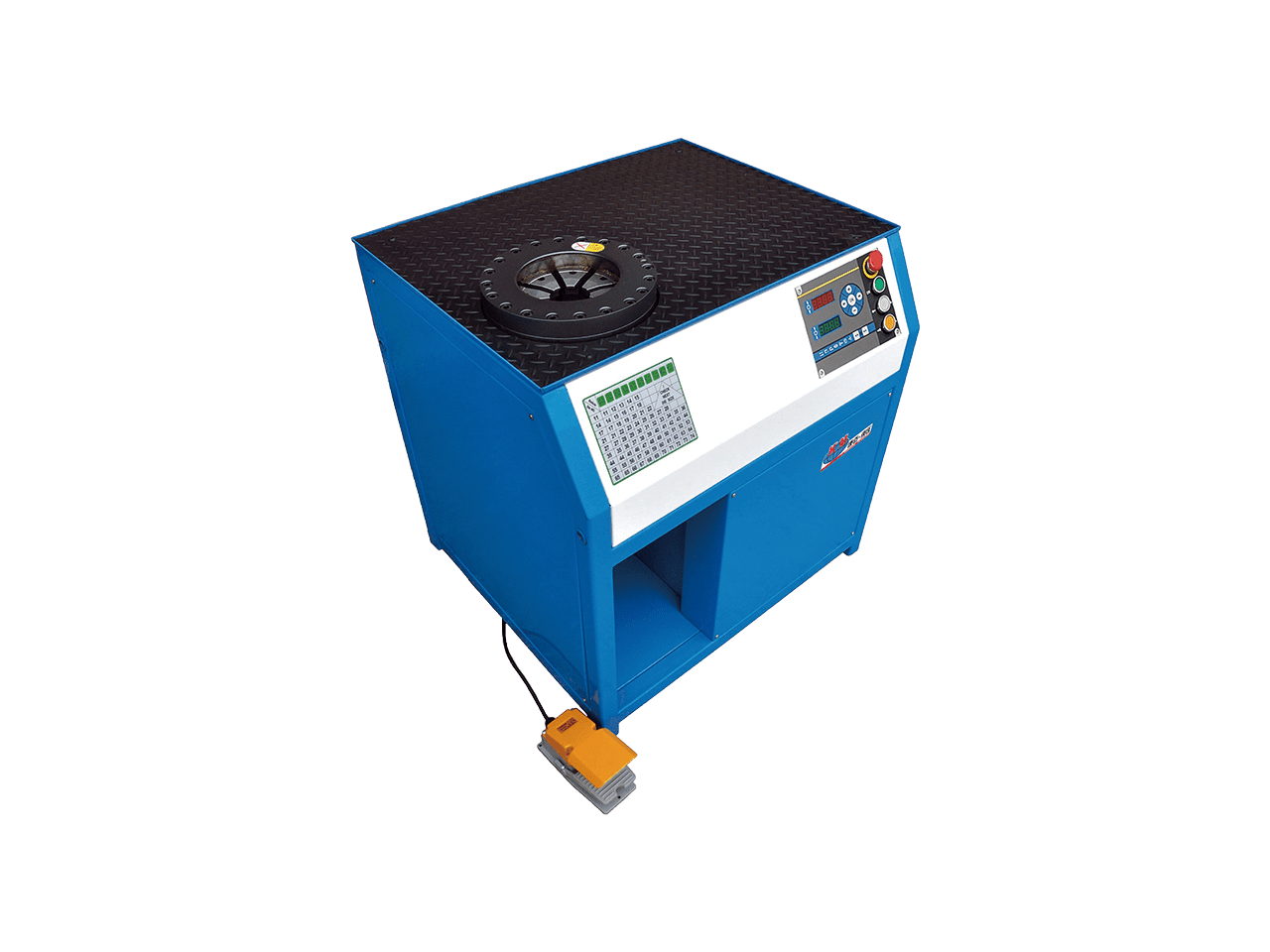
Sourcing from the Source: Evaluating China Nut Crimping Machine Manufacturers
Finding the right equipment often means looking at the global hub of industrial production rather than your local hardware store. Just as your smartphone likely came from overseas, the heavy-duty world of hydraulics relies heavily on a China nut crimping machine manufacturer to supply the market. These factories produce the vast majority of the tools used to lock fittings onto hoses, offering a direct line to professional-grade gear that local distributors might mark up significantly. However, skipping the middleman requires you to know exactly who you are dealing with to avoid buying a machine that looks tough on the outside but lacks the internal strength to last. Trustworthy suppliers distinguish themselves through transparency rather than flashy sales photos. A reputable China nut crimping machine factory will have detailed manuals, wiring diagrams, and replacement part lists available before you even spend a dollar. If a seller cannot tell you exactly what kind of hydraulic oil the system needs or how to replace a worn-out seal, it is a major red flag. You want a partner that treats the machine as a long-term investment, ensuring that five years from now, you can still get a replacement die—the metal mold that does the actual crushing—without having to scrap the entire unit. Communication barriers can sometimes make this process feel intimidating, but asking specific technical questions clears up confusion quickly. When contacting potential China nut crimping machine manufacturers, ask these four questions to gauge their professionalism and technical support capabilities:
- Do you provide spare die sets in standard sizes, and are they included in the base price?
- What is the maximum PSI (pressure) the system can handle before the safety valve opens?
- Do you offer video calibration guides to help me set up the machine out of the box?
- What is the total shipping weight, including the wooden crate and hydraulic fluid?
Logistics are the final puzzle piece because these machines are incredibly dense. A unit might look small in a picture, but the solid steel construction and hydraulic components often weigh hundreds of pounds, requiring a forklift or liftgate for delivery. Understanding the shipping terms ensures you aren't left with a 300-pound crate stuck at the curb that you cannot move. Once that heavy crate is safely in your workshop and the machine is plugged in, the focus shifts from buying to preserving. Keeping that massive crushing power under control requires a strict routine of care.Maintaining the Muscle: How to Calibrate and Clean Your Press
Imagine tightening a jar lid: if you don’t twist hard enough, the contents leak, but if you twist too hard, the glass cracks. A crimping machine faces this exact challenge, only it applies tons of pressure instead of hand strength. The difference between a secure lock and a crushed part is often just a fraction of a millimeter. Learning how to calibrate crimping force ensures that every connection is identical, turning a guessing game into a repeatable scientific process. This consistency is vital because a connection that holds firmly today needs to hold just as firmly five years from now. Your primary control interface for this balancing act is usually a micrometer dial, which functions much like the depth stop on a drill press. You aren’t adjusting the raw power of the motor, but rather setting the precise diameter where the metal jaws must stop moving. If you are following best practices for metal pipe joining, you should always test this setting on a piece of scrap material first. Measure the result with hand calipers; even a tiny deviation means the fitting could slide off under vibration. Small adjustments to the dial allow you to "dial in" the perfect grip without destroying the hardware. Inside the machine, hydraulic fluid acts as the muscle, transferring energy from the electric motor to the crushing jaws. Just like a car engine, this system relies on clean fluid to function. Metal shavings and shop dust are the natural enemies of these components; if debris gets stuck between the sliding surfaces of the dies, it acts like sandpaper. It scores the smooth metal surfaces and eventually causes the jaws to seize up. Regular cleaning isn't just about making the machine look good; it is about protecting the tight tolerances that make the tool accurate. A preventative schedule prevents the panic of a sudden breakdown during a critical job. You should also learn to listen to the equipment; a smooth hum is healthy, but a grinding or groaning noise often means lubrication is long overdue. To keep your equipment running like new, stick to these simple maintenance tips for hydraulic presses:
- Clean die tracks: Wipe away old grease and metal filings from the jaw slides to prevent scoring.
- Check hydraulic fluid levels: Ensure the reservoir is topped off and the oil looks clear, not cloudy or dark.
- Re-grease moving joints: Apply fresh high-pressure lubricant to the master dies to reduce friction and wear. With your machine tuned, calibrated, and well-maintained, you are ready to make the final decision on which specific model fits your workshop best.
Your Action Plan for Selecting the Perfect Crimper
The power of a nut crimping machine changes how you look at assembly. You have moved past the idea that fasteners merely sit on threads and now grasp how controlled pressure transforms them into permanent locks. That industrial squeeze is no longer a mystery of manufacturing but a tangible solution for creating vibration-proof connections. Start by measuring everything. Before browsing catalogs, gather the exact dimensions of the nuts you intend to secure and identify the hardness of the metal. A machine designed for soft aluminum might struggle with hardened steel, so knowing your materials is the foundation of a smart purchase. Once you have your numbers, match the workload to the power source. If you are repairing a few items in a garage, a simple pneumatic unit might suffice, but continuous work usually demands the heavy lifting of hydraulic crimping equipment. With your measurements and power needs in hand, you can confidently contact a manufacturer. You now possess the vocabulary to ask about die sizes and force ratings without getting lost in technical translation. This preparation allows you to have a productive conversation where you define the requirements rather than relying on guesswork to find the right nut crimper. Investing in this technology is ultimately an investment in peace of mind. Whether you are building a custom go-kart or repairing farm equipment, you are no longer crossing your fingers and hoping a bolt stays tight. You are engineering safety into the very shape of the metal, ensuring that no amount of shaking or rattling will undo your hard work.

-
Professional tools offer precision and reliability that standard tools can't match, ensuring safety and durability in critical connections. ↩
-
Consistent quality is crucial for safety-critical applications, and understanding tool capabilities prevents production errors. ↩
-
Understanding metal deformation helps you appreciate why crimped connections are more reliable than threaded ones in vibration environments. ↩
-
Understanding the science helps you appreciate why crimping is superior to threaded connections for vibration-prone applications. ↩
-
Proper die selection is critical for achieving secure, leak-proof connections that meet industry standards. ↩ ↩ ↩ ↩ ↩ ↩
-
Airtight seals are essential for preventing leaks in critical systems like brake lines and refrigeration systems. ↩
-
Choosing the right power source affects productivity, operator fatigue, and the types of jobs you can handle effectively. ↩
-
Professional equipment ensures safety, reliability, and efficiency in high-pressure hydraulic applications. ↩
-
Using the wrong die size can create weak connections that fail under pressure, leading to dangerous leaks. ↩
-
Aluminum requires different handling than steel to prevent cracking and ensure secure connections without damaging the material. ↩
-
Leak prevention is critical for safety, environmental protection, and maintaining system efficiency in hydraulic applications. ↩
-
Incorrect insertion depth is a leading cause of fitting failure, making proper measurement essential for safety and reliability. ↩
-
Following correct installation procedures prevents costly failures and ensures connections withstand operational pressures. ↩